ABC OF LAND FREIGHT FORWARDING

ABC OF LAND FREIGHT FORWARDING

Ground freight transportation is a crucial backbone of the global supply chain, enabling goods and products to move efficiently from their point of origin to their final destination. Understanding the fundamentals of this type of transportation is essential for both companies that ship products and those that receive deliveries.

In this guide, we will explore the ABCs of ground freight transportation, breaking down its key components, its importance, and how to optimize its use to maximize efficiency and reduce costs. From selecting the appropriate vehicles to managing routes and complying with regulations, this journey through the world of ground freight transportation will provide you with the necessary tools to enhance your logistics operations and ensure that your goods arrive at their destination safely and on time.

Basic Notions

Pallet: A wooden platform on which cargo is stacked for transportation
Shipper: Party that tenders goods for transportation.
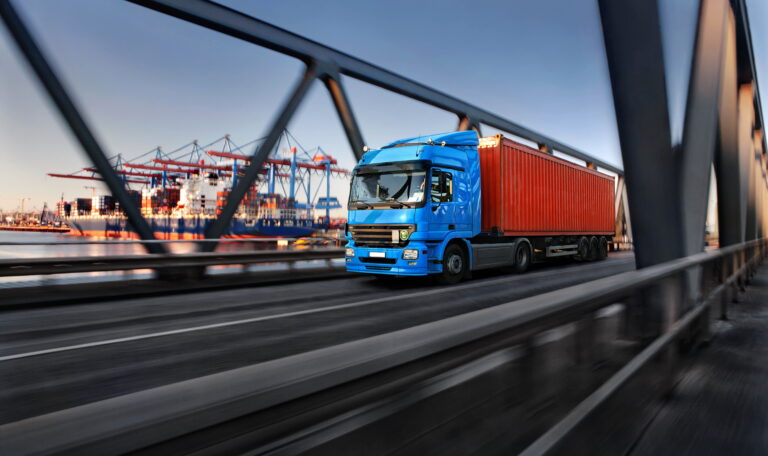
Truck: Trailer (dry van)
53′ Dry van

A dry van trailer is a fully enclosed semi-trailer mostly used to ship non-perishable cargo. It is specially designed to transport boxed, palletized, or loose cargo and enclosed to protect its contents from harsh external elements. A dry van trailer is also known as a box trailer or a dry van.

53′ Reefer

Reefer units operate on closed systems to maintain a steady temperature by collecting, pumping, and removing heat. Cooling for a reefer container is achieved through different methods, which can include:

Diesel-powered generators: These attach to the container being pulled
Cryogenic cooling: Melts frozen carbon dioxide ice to keep contents cool

48′ or 53′ flatbed

A flatbed truck is a large vehicle with a flat body and no sides or roof around the bed. Typically, these types of trucks are used to transport heavy loads that won’t be compromised in bad weather or on rough roads.

48′ or 53′ step deck

Step deck, also known as drop deck, trailers have top and bottom decks. They are used for cargo that is too tall or wide to fit onto a standard flatbed. 

SHIPPING METHODS

FTL – full truckload

LTL – less than truckload

PTL – Partial truckload

Flatbeds

How International Logistics Drives SME Growth

How International Logistics Drives SME Growth

high-angle-woman-wearing-gloves-1170x694
In today’s interconnected global marketplace, small and medium-sized enterprises (SMEs) are increasingly turning to international logistics to fuel their growth and expand their reach. Let’s delve into how international logistics plays a pivotal role in propelling SMEs towards success.

1) Access to Global Markets: International logistics opens doors to new markets beyond domestic boundaries. By venturing into international territories, SMEs can tap into a broader customer base and diversify their revenue streams, reducing dependence on a single market and enhancing business resilience.

simbolo-tienda-compras-regalo-tecnologia-cuaderno_1418-12

2) Competitive Edge: Engaging in international logistics compels SMEs to enhance their competitiveness. This includes optimizing processes, reducing costs, and improving product/service quality to meet the demands of a global customer base. Consequently, SMEs can position themselves as strong contenders on the international stage, competing with larger counterparts.

3) Supply Chain Expansion: International logistics facilitates a wider and more diversified supply chain for SMEs. Collaborating with suppliers and partners across different countries enables access to high-quality raw materials, shorter delivery times, and overall supply chain efficiency improvements. This, in turn, allows SMEs to offer innovative, high-quality products to their international clientele.

4) Flexibility and Adaptability: International logistics empowers SMEs with greater flexibility and adaptability. They can swiftly adjust their operations based on global market demands, respond to changing consumer trends, and capitalize on emerging opportunities in diverse regions. This agility enables SMEs to stay relevant and responsive in a dynamic business environment.

5) Utilizing Trade Agreements: Many countries have trade agreements and preferential treaties that ease international trade. SMEs can leverage these agreements to access markets with reduced or eliminated tariffs, enhancing price competitiveness and boosting profit margins.

concepto-control-calidad-estandar-m_23-2150041853

Panama Faces Worst Drought in a Decade

Panama Faces Worst Drought in a Decade

2022-07-01-003-ElCanaldePanama-108-operacion-2-1170x694

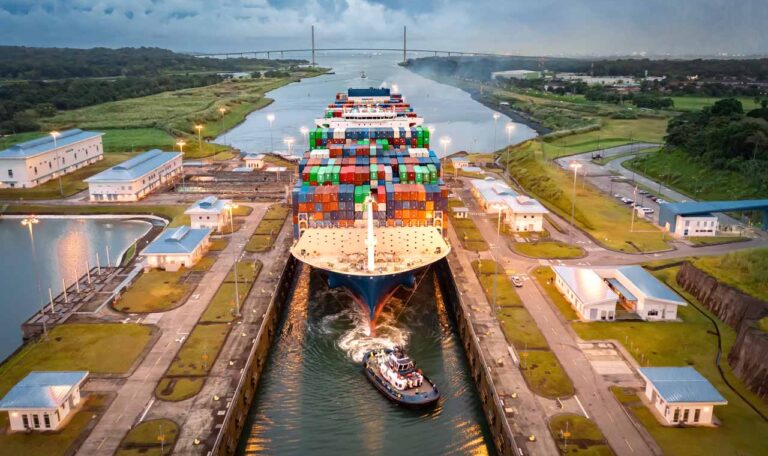
Despite a decline in transits through the drought-hit Panama Canal for most shipping sectors, containerships are maintaining transit levels largely due to the reduction in competition from other sectors, according to UK-based Drewry Shipping Consultancy.

Faced with Panama’s worst drought in decades, the Panama Canal Authority (ACP) has been implementing draft and daily transit restrictions since March 2023 to preserve water levels in the canal’s watershed, which supplies half of Panama’s population. The restrictions have limited the number of ships that can use the waterway each day.

The latest monthly data from the ACP shows December 2023 saw a 25% drop in transits compared to October 2023, with only 746 transits compared to 1,002. This represents a 42% year-on-year decline from December 2022’s 1,281 transits.

Reversing an earlier decision to reduce the number of daily transits further, the ACP increased the number of daily transits to 24 starting this month, from 22 previously, which is still significantly lower than the 35-40+ daily transits prior to the restrictions last year

Exclusas_canal_de_Panama_foto_autoridad_del_canal

Drewry points out that containerships have mostly avoided the long queues and expensive transit auctions at the Panama Canal due to a pre-booking system. The increase in daily transits to 24 still presents a challenge for containerships, which saw per day transits drop to an average of 7.4 in both November and December, down from 8.4 in October.

However, Drewry notes that this is close to recent historical average daily transits for containerships, which were 7.7 in Fiscal Year 2022 and 7.6 in Fiscal Year 2023, according to the ACP. Meanwhile, containerships’ share of total monthly transits rose to 30.6% in December, a significant increase from the previous 19.8% share in the ACP’s two previous fiscal years.

“Effectively, containerships are finding it easier to reserve slots as some other sectors (most obviously dry bulk) continue to vacate the route, even if carriers would like more,” Drewry said in its update.

“The situation is obviously very fluid and further draft restrictions could be announced at any time, but it seems that for containerships at least, the Panama Canal bottleneck is proving much less restrictive than it might otherwise have been,” Drewry concluded.

Mike Schuler. (Jan,22 2024) Container Sector Maintaining Panama Canal Transit Levels as Others Exit https://gcaptain.com/conteiner-sector-maintaining-panama-canal-transit-levels-as-others-exit

Red Sea Attacks Continue to Disrupt Global Trade

Red Sea Attacks Continue to Disrupt Global Trade

The U.S. military carried out a new strike in Yemen on Tuesday against anti-ship ballistic missiles in a Houthi-controlled part of the country as a missile struck a Greek-owned vessel in the Red Sea.

Disruptions to Red Sea shipping caused by Houthi attacks will push up prices of consumer goods in Europe in particular, an executive from port and freight operator DP World said as the impact on commerce increased.

The Iran-allied Houthi militia has threatened to expand its attacks to include U.S. ships in response to American and British strikes on its sites in Yemen.

Attacks by the Houthis on ships in the region since November have affected companies and alarmed major powers – an escalation of Israel’s more than three-month-old war with Palestinian Hamas militants in Gaza. The Houthis say they are acting in solidarity with Palestinians.

The White House said additional U.S. strikes on Tuesday took out ballistic missiles Houthis were ready to launch, confirming a Reuters story earlier, citing U.S. officials, that a new strike was launched at four anti-ship missiles. The strike had not been previously reported.

“We’re not looking to expand this. The Houthis have a choice to make and they still have time to make the right choice, which is to stop these reckless attacks,” White House spokesperson John Kirby said.

France chose not take part in the U.S.-led strikes because it wants to avoid a regional escalation, President Emmanuel Macron told a news conference. The country has a “defensive” approach in the Red Sea and would stick to this stance, Macron said.

Two heads of international banking groups attending the World Economic Forum (WEF) in Davos said privately that they were worried the crisis might cause inflationary pressures which could ultimately delay or reverse interest rate cuts and jeopardize hopes for a U.S. economic soft landing.

What Animal Am i In the chinese Horoscope and what does it mean

What is My Chinese Zodiac Sign?

high-angle-woman-wearing-gloves-1170x694

In China, one of the most frequently asked questions when meeting someone is: “What animal are you?”, to know the age of the person we are addressing, because even children know by heart the succession of the twelve animals and are able to calculate the age of any person immediately.

According to the ancient Chinese philosophers, the five fundamental elements of the Universe that combine with the twelve animals and influence their personality are: metal, wood, water, fire and earth. Each element reigns for two years, one under the sign of Yang and the other under the sign of Yin, thus establishing a perfect balance.

The 12 Animals:

The Chinese believe that a person’s horoscope influences his or her life by shaping his or her character. Below is a brief explanation of each of the animals in the Chinese horoscope.

THE RAT (1936, 1948, 1960, 1972, 1984, 1996, 2008)

06_horoscopo_chino_Rata

Those born under the sign of the Rat are wise people who like to surround themselves with family and friends, whom they help in their daily chores and problems. They are good workers, savers and good managers of their economy.

THE OX (1937, 1949, 1961, 1973, 1985, 1997, 2009)

06_horoscopo_chino_Buey

Buffaloes or oxen are patient and calm animals that radiate a lot of affection and love and command respect. Great workers, they feel at ease surrounded by order and cleanliness and achieve success thanks to their efforts. For them the most important thing is the family, although they are jealous with their partner.
They love art and music. They do not like to argue, although they do like to be obeyed. Compatible signs: snake, rooster, ox. Incompatible signs: sheep, horse, dragon and dog.

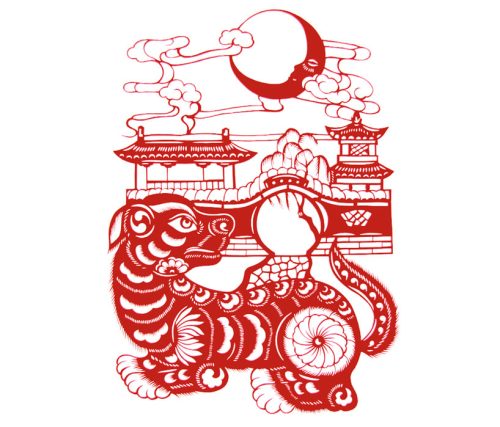
THE TIGER (1938, 1950, 1962, 1974, 1986, 1998, 2010)

06_horoscopo_chino_Tigre

People of this sign are very passionate and full of energy. They do not go unnoticed, they are adventurous, independent, witty, impulsive and fun-loving. They are friends for life, although they like to be the leader of the group. In the world of relationships, they are the strongest, sexiest and most seductive, although with excessive behavior.

THE RABBIT (1939, 1951, 1963, 1975, 1987, 1999, 2011)

06_horoscopo_chino_Conejo

Those born in the Year of the Rabbit have extraordinary human qualities: they are prudent, intelligent, affable, discreet, foresighted, attentive and benevolent. For this reason, the sign of the rabbit is widely accepted by people.

Of moderate and indulgent character, peace-loving and concordant, the rabbit hates war and violence. He likes quiet life, tenderness and harmony. He strives to get along well with others and almost always succeeds because of his human virtues. His great clairvoyance and his ease in delicate situations make him an excellent diplomat and mediator.

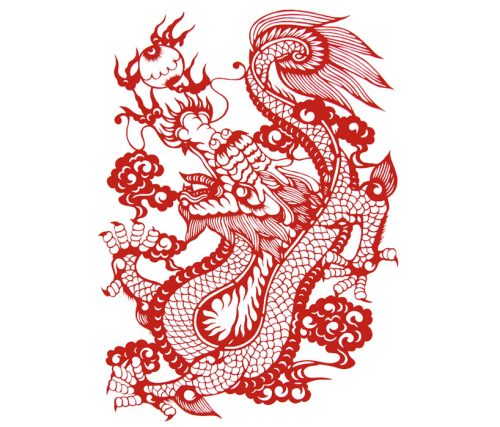
THE DRAGON (1940, 1952, 1964, 1976, 1988, 2000, 2012)

06_horoscopo_chino_Dragon

Symbol of the Emperor in China, the dragon is imaginative, magnanimous, enterprising, fortunate and powerful. It is full of strength and vitality. It is a real accumulator of energy and if you anger him, he will get so angry that he will lose his temper. It will be difficult to calm him down, as he does not believe in anyone or anyone. They usually give good advice and are lucky both in money and in love. They are very sentimental and fall madly in love. Compatible with the tiger, rooster, horse, sheep and rabbit.

THE SNAKE (1941, 1953, 1965, 1977, 1989, 2001, 2013)

06_horoscopo_chino_Serpiente

Snake people are astute, they know what they want and how to get it. Their conversation is elegant and fluid. They are intense and prudent at the same time. They are jealous and possessive of their family but loyal. They like to spoil their friends and expect a reciprocal attitude from them. If they feel scorned or fail in their attempts, they can be angry for hours, although they are good at keeping their cool and appearing calm in difficult situations.

THE HORSE (1942, 1954, 1966, 1978, 1990, 2002, 2014)

06_horoscopo_chino_Caballo

Popular, optimistic, full of joy, adventurous, eloquent, impatient, enterprising, enthusiastic about life, great lovers and friends. Their great passion is money and travel. They like to meet new people, different cultures, speak languages and are the soul of parties. Their physical attractiveness and beauty make it easy for them to find love: a trap into which they fall hopelessly.

THE GOAT (1943, 1955, 1967, 1979, 1991, 2003, 2015)

06_horoscopo_chino_Cabra

Goats are creative, artistic, positive, elegant, feminine, affable, compassionate, tearful, sensitive, dreamy, proud and sad. They do not pursue material wealth and prefer to live from their daydreams. They love family, children, home and being in contact with nature. They are hard workers, although they do not like the pressure of a deadline or a boss.

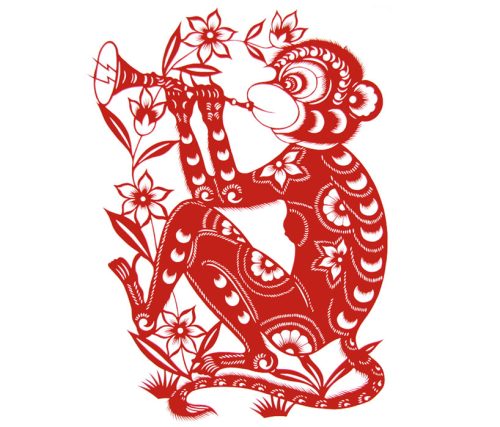
THE MONKEY (1944, 1956, 1968, 1980, 1992, 2004, 2016)

06_horoscopo_chino_Cabra

Goats are creative, artistic, positive, elegant, feminine, affable, compassionate, tearful, sensitive, dreamy, proud and sad. They do not pursue material wealth and prefer to live from their daydreams. They love family, children, home and being in contact with nature. They are hard workers, although they do not like the pressure of a deadline or a boss.

THE MONKEY (1944, 1956, 1968, 1980, 1992, 2004, 2016)

06_horoscopo_chino_Mono

Animal more similar to the human being, is witty, funny, friendly, quick and alert mind, buyer, persuasive, sociable, able to solve any problem however difficult it may be with ease. Their love relationships and relationships with friends are usually conflictive, because they cannot stand not being valued. They enjoy good health, although their excesses in parties, alcohol and drugs could take their toll.

THE ROOSTER (1945, 1957, 1969, 1981, 1993, 2005, 2017)

06_horoscopo_chino_Gallo

Attractive and seductive, talented and appreciated. They are meticulous, efficient, orderly, good conversationalists, observant, selfish, usurious, pragmatic and very family oriented. In love they are romantic, stubborn and fight for control of their partner. They tend to excel as public relations or as artists. They do not pay much attention to their health.

THE DOG (1946, 1958, 1970, 1982, 1994, 2006, 2018)

06_horoscopo_chino_Perro

The dog is a being dedicated to work, honest, reliable, diligent, with a great sense of justice and loyalty. They captivate everyone with their exciting personality, their good humor and their great ability to listen to the problems of others and give good advice. In love they are faithful and loyal, although very jealous when their partner is not at home. Nerves are their biggest health problem.

THE PIG (1947, 1959, 1971, 1983 1995, 2007, 2019)

06_horoscopo_chino_Cerdo

They are sincere, honest, trusting, polite, affectionate, helpful, brave, determined, with great willpower, without great pretensions or vanity, with their feet on the ground. They are very pleasant and have impeccable taste and manners. In love they are sensual, passionate and patient, but to a point. They are very hard workers, although the lack of attraction for the sport and the apathy will cause their physique to suffer and to put on weight in excess.

Winter Storm USA

Winter Storm – USA

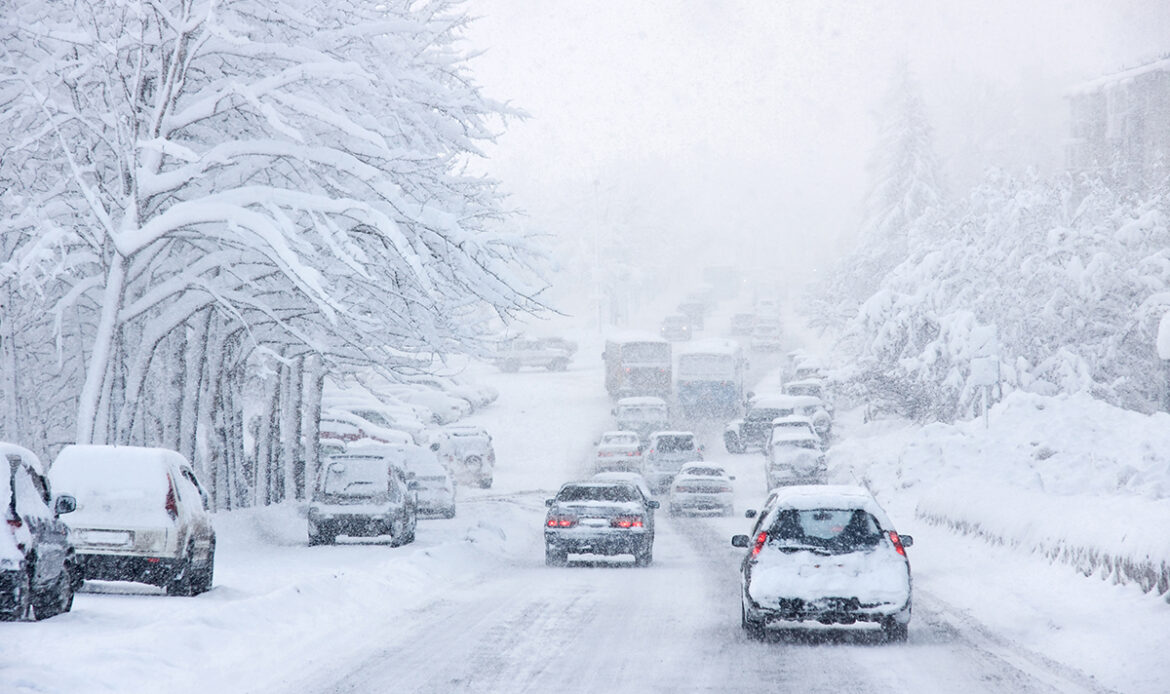
A brutal winter storm is sweeping across the US, with around 79% of the country expecting below-freezing temperatures early this week.
Over 140 daily cold records could be broken today and Tuesday from Oregon to
Mississippi as temperatures in Memphis, Dallas and Nashville could stay below
freezing for at least 72 consecutive hours. The storm has caused dangerous road
conditions and airports are experiencing thousands of delays and cancellations.
More than 4,000 flights within, into or out of the country, were postponed on Sunday, and over 1,000 were canceled, according to tracking site FlightAware. Residents in some states, including Texas, have also been urged to conserve electricity to prevent straining power grids.

Where the air will be a bit colder, there may be areas where 3-6 inches of snow will fall, mainly from north and west of Philadelphia, New York City and Boston.

Heavier snow is forecast to fall on the Appalachians from western Maryland to portions of West Virginia, eastern Kentucky and Tennessee. A general 6-12 inches of snow will pile up with an AccuWeather Local StormMax™ of 15 inches.

The fast movement of the storm will prevent heavier snow from falling on much of the northeastern United States, but snowfall rates will tend to ramp up over Atlantic Canada as the storm strengthens.

In the wake of the storm on Tuesday, Arctic air will linger, allowing untreated wet and slushy areas to freeze Tuesday evening and night. Motorists and pedestrians should use extra caution as many accidents occur after the storm as runoff and puddles freeze rather than as the snow falls.

Like the storm into Tuesday, odds are against a widespread heavy snowfall, but it will have to be watched for last-minute strengthening, which could result in heavier precipitation. The slight rise in temperature ahead of the late-week storm could result in some mixed precipitation along and south and east of I-95.

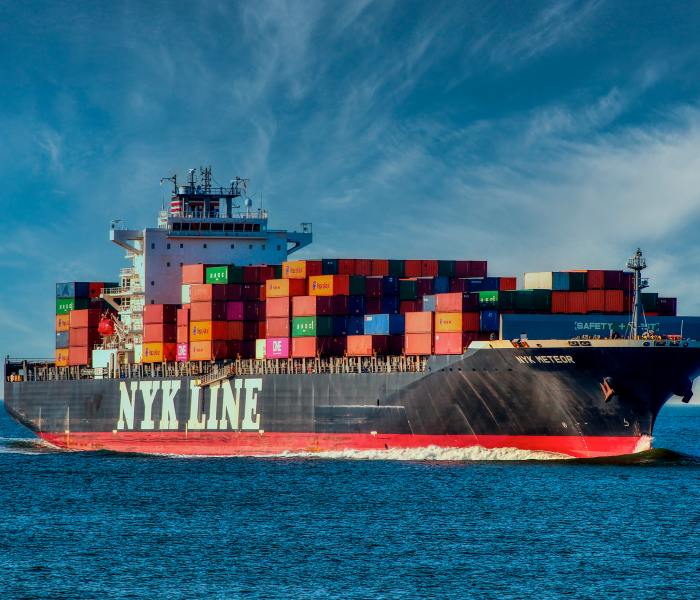
While nearly anything can be shipped by ocean, three factors—size, expense and speed—tend to determine what must be shipped by this method. Here are some common goods shipped by ocean:

  • Container cargo—anything from toys and clothing to furniture and electronics.
  • Liquid bulk items, including fuel and crude oil.
  • Break bulk—goods shipped in crates, bags, boxes, drums or barrels without the use of a container.
  • Dry bulk and raw materials.
  • Roll on/roll off goods, including machinery and vehicles.

WHAT IS STOCK MANAGEMENT AND HOW TO PERFORM IT

What is stock management and how to Perform it

Are you ready to maximize your profits and protect your business from unwanted losses? The key is in stock management.

Proper management of your stock will help you maintain the balance between the units available in your inventory and your demand levels.

If the management is not adequate, there could be a stock-out and lost sales. Or that the value of your inventory is reduced due to obsolescence in your items.

So, how can we know if our stock management is efficient and what control mechanisms are in place? You will find all the information in this article.

What is stock management – definition

Stock management is the discipline in charge of planning, regulating and monitoring the flow of goods, products and merchandise in a company’s inventory.

It includes tasks such as location assignment, inventory traceability, and stock management methods. It is also common to include activities such as requirements planning and improving storage and order picking processes.

In short, we can say that stock management is an activity that is structured around three different axes: controlmonitoring and optimisation.

The Golden Rule in Stock Control

Perfect stock management adapts to the right frequency of stock replenishment activities, keeping costs as low as possible without compromising profitability and growth.

Main objectives of stock management

Ensure a good level of stock

The main objective of stock management is to know the available stock and adjust it to future sales. This is essential to cover purchase requests and reduce maintenance and procurement costs.

Increase efficiency

Keeping track of stocks and their internal movement will speed up the rest of the processes linked to it and reduce the number of errors. A very common example is returns that occur due to confusing the product of the order.

Increase flexibility

Companies that manage their stocks well will be able to adapt better to changes in demand and new product availability.

Increase customer satisfaction

Stock management allows you to offer a higher quality ordering experience. In addition, by meeting the customer’s purchasing needs, they are more likely to visit you in the future.

Improve decision-making

How often do you have to schedule another replenishment? What is the time of year with the most aggressive demand curve? Which products are the most in demand?

Having accurate data on the movement of stocks is the only way to adjust business decisions to reality and avoid opinions or subjectivities.

Factors involved in stock management

Level of demand

The level of demand determines the frequency of product turnover. A company must be very clear about the pace of sales and consumption in its sector in order to acquire the exact amount of stock. This way you can cover the needs of your customers without having a surplus.

The Registry

To keep an accurate record of inventory levels and automate replenishment processes, it is essential to have an effective inventory tracking system in place.

This system must be able to track and update inventory levels in real time, as well as generate automatic alerts when more goods need to be ordered.

The type of stock

The type of stock will affect the management model, the location of the units, and the replenishment policies. Generally, stocks are classified according to the function of the products they contain. The most important are:

  • Dead stock: This is a type of inventory that is used to hold products that can no longer be sold and are usually disposed of
  • Cyclical stock: here products are classified according to the demand cycle. It can vary quite a bit depending on the type of customer, the industry or the time of consumption
  • Minimum stock: determines the minimum stock level, those emergency products that we keep so as not to lose sales
  • Maximum stock: determines the maximum level of stock that the company can sell. Exceeding this number of products in inventory could raise costs and be a problem in the future
  • Safety stock: this type of stock is used only when we believe that there may be a one-off increase in demand
  • Surplus stock: accumulated products that cannot be sold, but could be used in the future, so it is advisable to keep them

Storage costs

Each business must face different types of costs. This can vary depending on the sector, the nature of the product, the type of warehouse, etc. When you are going to carry out your stock management strategy, you must take into account all these variables to ensure profitable processes.

  • Infrastructure cost: this is the cost of all the infrastructure necessary to maintain the warehouse, such as the premises themselves, shelves or machinery
  • Management cost: the cost of resources allocated to direct stock management, such as labour
  • Cost of maintaining stock: this is the expense of acquiring stock and supply materials, as well as the cost of insurance and problems arising from stock-outs

Better stock or inventory management methods

FIFO 

This model prioritizes the issue of goods based on the order of entry. The first stocks to come in will be the first to come out.

When is this stock management model chosen? Normally when marketing perishable products that cannot be in inventory for too long a period.

LIFO

The LIFO system works in reverse of FIFO. The first products to come out are the last to come in.

In what cases is this management model useful? In companies that are looking to mitigate the effects of inflation or that need a more accurate view of their total costs.

ABC Method

The ABC method in warehouses is a system of classifying goods according to their value or profit. The most valuable units will be classified as “A” and placed in privileged sites for a much more agile expedition.

When to use this model? It is useful for companies in any sector with significant inventories and that want to optimize their internal resources.

Just in Time

Just in Time is the stock management system whose objective is to have the exact number of stocks to dispose of incoming orders, but without producing a surplus.

This model is used by those companies that want to prioritize reducing the cost of storage.

Wilson Model

The Wilson model uses a mathematical method to calculate the exact moment to contact the supplier to purchase more stock.

To perform the calculation, it takes into account the following variables: optimal order quantity, product demand, order cost, and storage cost per unit in a specific period of time.

This stock and stock management model seeks to balance warehouse costs with the demand and possibility of the products.

How to manage stock in a warehouse step by step

  1. Analyze your demand

Perform a demand analysis and create sales forecasts that help you determine the amount of stock you will need in the future. To do this, we recommend that you analyze your current demand and take into account the future sales history.

  1. Identifies and classifies each product

You must determine which products will make up your stock and register them in your computer system. Add a barcode to each product with its data and characteristics. This will help you keep the record up to date, as well as with the picking and packing processes.

  1. Locate each unit in inventory

In this phase you have to place each stock based on one of the strategies in the previous point. It’s important that you choose each location according to the needs of your stock type, demand analysis, and your business goals.

  1. Establish relocation and replenishment criteria

Stock policies determine when the right time is to relocate or restock. It is advisable that there are always minimum levels of stock.

Some factors that should be considered when establishing these policies include the speed of inventory turnover.

In addition, you will need to take into account the demand forecasts and delivery times of your suppliers. Consider leaving a safety margin to avoid a stockout.

  1. Monitor your inventory

Continuously track all movements within stock. You will need to have an up-to-date record of all check-ins and check-outs.

You can automate this entire process with some specialized computer software. There are tools that also warn you when the available stock reaches a critical level.

  1. Optimize your warehouse processes

A good way to improve business profits is to optimize internal logistics. And this includes stock management.

Some tips:

  • Store products efficiently to make the most of usable space
  • Reduce the space between items that typically come together to speed up picking and minimize costs
  • Locate fast-moving products near packaging areas
  1. Conduct ongoing assessments

Monitoring inventory management processes is essential to detect problems and opportunities for improvement.

Use evaluation criteria to improve operations. This includes monitoring lead time, stock level, and efficiency in product management or order picking.

Bengochea, D. (Feb 2, 2023) What is stock management https://outvio.com/es/blog/gestion-de-stock/

All about flt and ltl

All About FTL and LTL

Within the field of land transport for exports, we have two cargo modalities that can be flexibly adjusted according to the needs of your company and the goods you want to move. Which are FTL (Full Track Load) or full truck load in Spanish and LTL (Less Than Truckload) or consolidated cargo

Export logistics is one of the points you should pay the most attention to when marketing your goods, as it is a decisive pillar to ensure that the products arrive safely at their destination. This is where FTL or LTL emerge as a couple of viable options for transporting products.

What is FTL

The Full Track Load (FTL) concept refers to the term full load, which implies that the goods to be transported are occupying all the available space in the trailer.

In this way, FTL transport is a viable option for those companies looking for security and speed in their delivery times, since this modality has a single route and does not involve the transfer of the cargo to another means of transport.

delicate, high-risk or urgent products. Goods traveling in full-truckload transports are less likely to be damaged because there are no stops and only few touchpoints, so insurance is usually less expensive.

It is also important to note that Full Track Load (FTL) also benefits the logistics company, since by focusing on a single customer, delivery will be even more effective and it will not be necessary to make stopovers that can intervene in the delivery of products.

In other words, FTL is when the truckload’s entire load belongs to a single shipper and recipient.

Some features of FTL are:

  • The delivery time is generally faster than LTL.
  • The cargo is transported directly from one point to another without intermediate stops.
  • The shipper has full control over the contents of the cargo.
  • The fee is generally higher than LTL due to the greater space and control.

In short, the FTL ground transport modality defines a type of shipment in which a truck transports the goods exclusively.

What is LTL

LTL is the abbreviation for “Less Than Truck Load”. LTL transportation occurs when a truck’s cargo space is not fully utilized.

The transport company has the option of filling the free space of its truck with other goods from other customers. In general, it usually means that several small loads are added into a single shipment.

Some features of LTL are:

  • The delivery time is generally slower than FTL.
  • The truck makes multiple stops to pick up and deliver loads.
  • Shippers do not have full control over the contents of the cargo.
  • The fee is generally lower than FTL due to shared space.

Main Differences Between FTL and LTL

In addition to the main difference inherent in their characteristics in shipping, FTL and LTL have other types of differences encompassed in the following categories:

Cost differences

FTL and LTL freight carriers may differ in their prices. LTL is a good option to save costs if small volumes of goods need to be shipped.

Environmental Impact

LTL shipping is a shared transport of goods, so it has a lower environmental impact. Booking an entire truck without taking up all its space is very unprofitable and sustainable.

Therefore, the LTL system will always have a smaller footprint in these cases. When there is no difference in the environmental impact is when the FTL modality covers the entire truck, in those cases the impact would be the same.

Delivery times

FTL transport picks up the cargo and delivers it to the intended destination. LTL transport has to make stops at multiple locations, which means that delivery times will almost always be longer.

The LTL system forces you to pick up more goods from different customers, these stops affect the accuracy of the delivery times of the total shipment.

Loading and unloading

In FTL transport mode, the truck loads and unloads only once. LTL transport has to move goods to make room for new ones, partially unloading at different locations, which increases the time as well as the risk of damage.

FTL vs LTL When to use each?

Now that we know the concepts and differences between FTL and LTL, let’s see when it is advisable to use each of them.

When to use FTL?

As we have already mentioned, the FTL method is used when the load occupies the volume of the entire truck.

Although it is possible to ship small loads, it is more advisable, if possible, to fill the truck with your own load, which will reduce costs and minimize risks and times.

It is a very good option for the shipment of fragile or sensitive products, as the amount of third-party cargo is reduced, the risk is lower.

It is also advisable to use FTL if delivery times are tighter, as it is a faster and more accurate method.

When to use LTL?

It is often said that if the shipment of the cargo is less than 6 pallets, the LTL system is recommended. The costs are lower than those of the FTL option as you share cargo space with other goods from other customers, and therefore the cost can be split.

LTL is the best alternative if you can afford more flexible and longer lead times and the cargo is not sensitive or fragile.

Conclusions

FTL and LTL are two modes of land transport that provide interesting and very different characteristics, whose advantages and disadvantages must be analysed according to the needs of each client. The choice will depend on these needs.

It is also interesting to know the opinion of your logistics partner, who due to their experience in the sector can give you a very valid opinion.

Across Logistics is the leading company in logistics solutions of different kinds, offering different logistics solutions responding to the strictest time, cost and sustainability demands of its customers.

E-Commerce

What is E-Commerce?

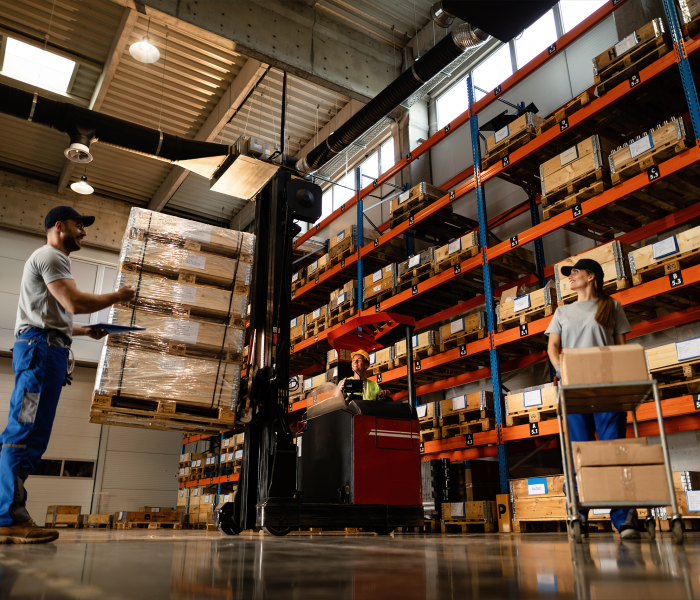
E-Commerce refers to the storage and management of goods or inventory in a designated facility, known as a e-commerce. It is a crucial component of the supply chain and logistics process, providing a secure and organized space to store and protect goods before they are distributed or sold.

The main functions of a E-Commerce include:

  • Storage
  • Inventory Management
  • Order Fulfillment
  • Distribution
  • Value-Added Services
  • Security and Protection
  • Cross-Docking
WAREHOUSING-IMAGEN-WEBSITE-qh78mljx0ylfgz8s4k6kam67zpkzkh0rhe5a34qlbk

Air Freight

What is Air Freight?

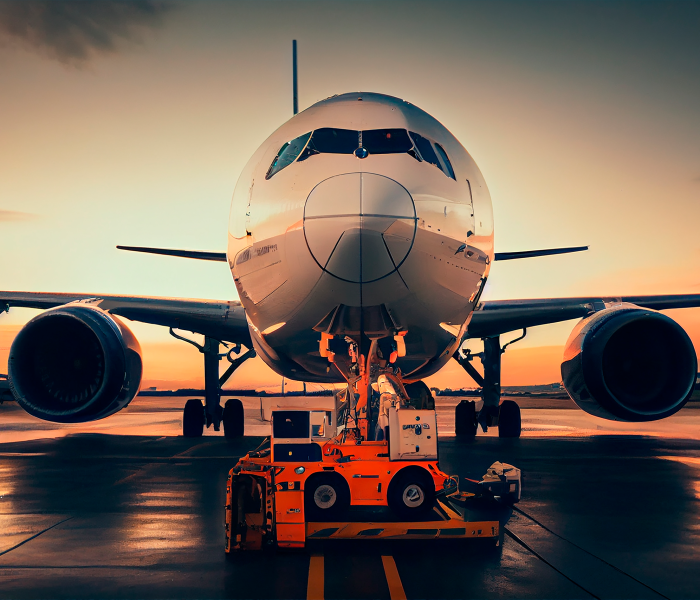
Air freight can be defined as products and goods (cargo) that are shipped by aircraft.

Options for modes of air freight include passenger aircraft, the cargo hold of a passenger aircraft or a commercial cargo aircraft. Air freight transportation begins at the airline terminal, where the air freight company you’ve selected receives the cargo.

Commercial cargo is a separate service from passenger airline cargo, where the entire plane is a cargo hold—essentially, a giant flying container. Typically, commercial cargo includes large palletized cargo, boxes, coffins/human remains, vehicles, machinery and sometimes animals.

How long does air freight transportation take?

Air freight transportation time depends on your location and the destination of your goods. It’s possible for cross-country air freight to arrive at a destination within six to seven hours for critical services, while international shipping may take just a bit longer. Keep in mind that this is just for the air transportation—goods will also need to be transported to the aircraft and to the destination once the aircraft has landed. While air freight is the fastest way to export goods, in cases of disruptions and shutdowns, goods may take up to a week or longer to arrive at their destination

AIR-FREIGHT-IMAGEN-PRINCIPAL-WEBSITE-qh78ixyig5labkjxgzasljdotrllmuicbatawe5pio